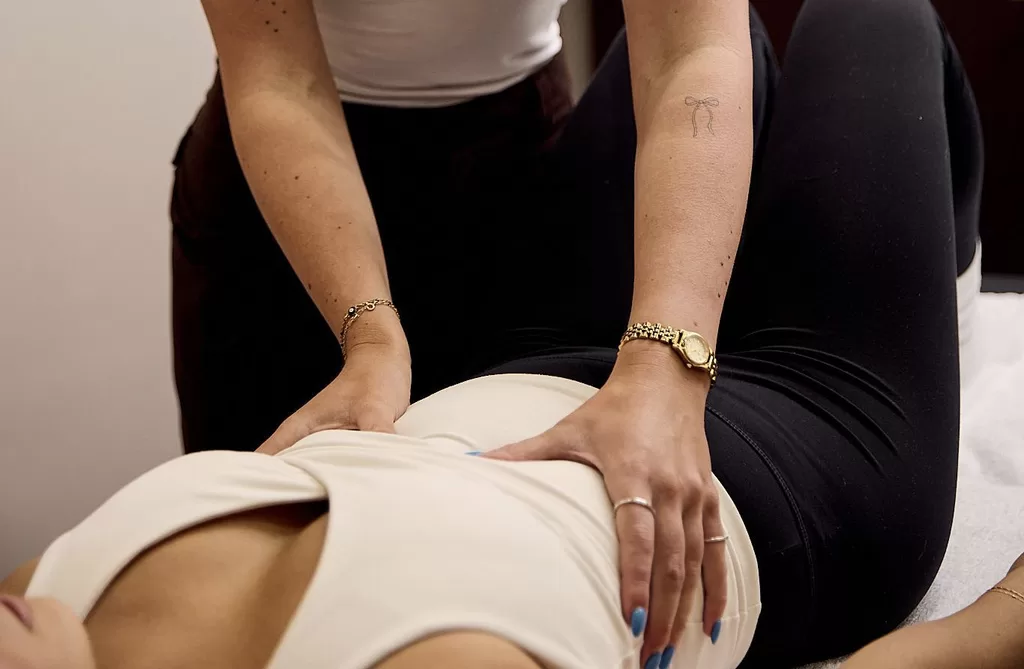
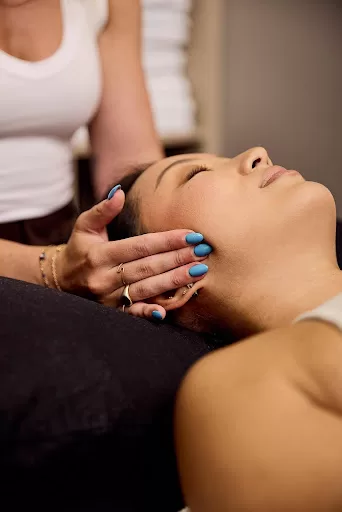
Dry needling is a technique osteopaths use to help reduce pain, improve movement, and support tissue recovery. It involves inserting a very fine, sterile needle into specific muscles or soft tissues that are contributing to pain or dysfunction.
Key benefits:
Important to note:
Dry needling isn’t about “just sticking needles in.” An osteopath chooses this technique based on your symptoms, movement patterns, and overall health, and always within an evidence-based, whole-body approach.
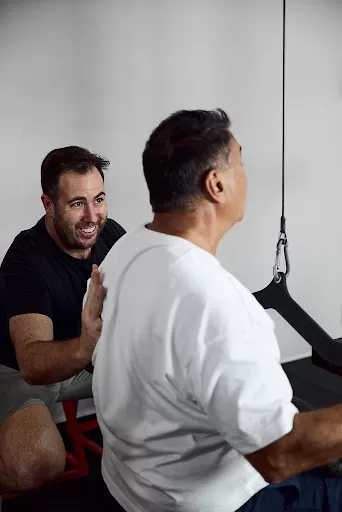
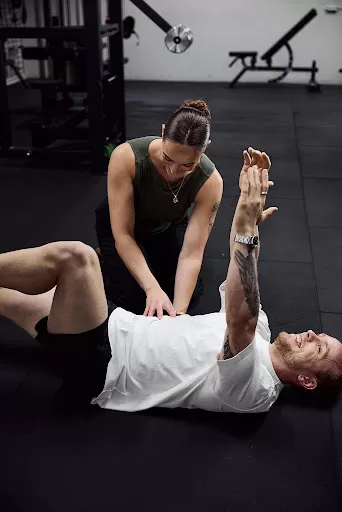
At The Osteo Centre, we extend our expertise to a diverse range of patients, offering customised care for various needs.


We’ve found a beautiful new home for the clinic just a suburb over — and we can’t wait for you to see it!
Same friendly team, same personalised care, just a brand new space designed to feel warm, welcoming and a little more like home.
Come see our new clinic space — we’d love to welcome you in!