When people hear the words pelvic floor treatment, many immediately think of internal examinations. While internal assessment is an important tool for some healthcare professionals, it's not the only way to assess and treat pelvic floor dysfunction.
In many cases, external pelvic floor treatment can be highly effective and is often the first step in helping people reduce pain, improve movement, and regain confidence.
The pelvic floor is a group of muscles that sit at the base of your pelvis like a supportive hammock. These muscles help to:
Like any muscle in the body, the pelvic floor can become too tight, too weak, poorly coordinated, or painful.
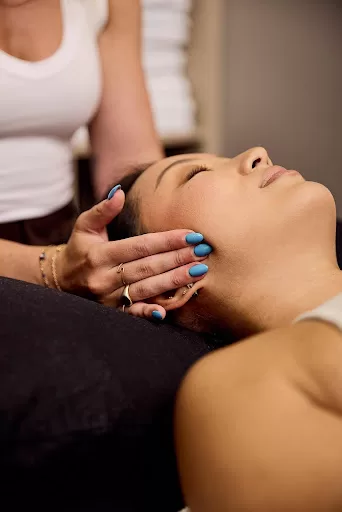
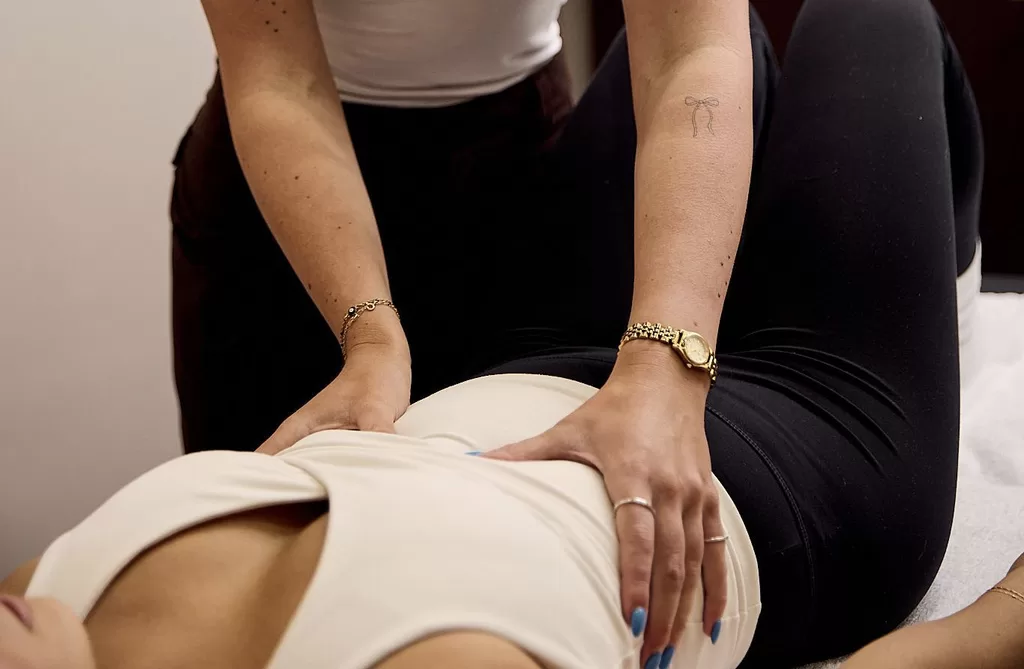
External pelvic floor treatment involves assessing and treating the muscles, joints and connective tissues surrounding the pelvis without an internal examination.
An osteopath may assess:
Treatment may include:
Because the pelvic floor works closely with surrounding muscles, improving the function of these areas can significantly reduce pelvic floor symptoms.
External treatment may benefit people experiencing:
Every person is different, so treatment is tailored to your symptoms and goals.
One of the most overlooked aspects of pelvic floor function is breathing.
The diaphragm and pelvic floor move together every time you breathe. Poor breathing patterns, chronic stress or constantly "holding your tummy in" can increase tension through the pelvic floor.
Learning to breathe more efficiently can help reduce muscle tension, improve coordination and support recovery.
Rest alone rarely resolves pelvic floor dysfunction.
The right exercise program can improve:
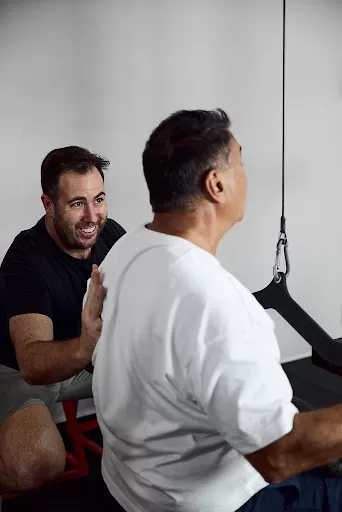
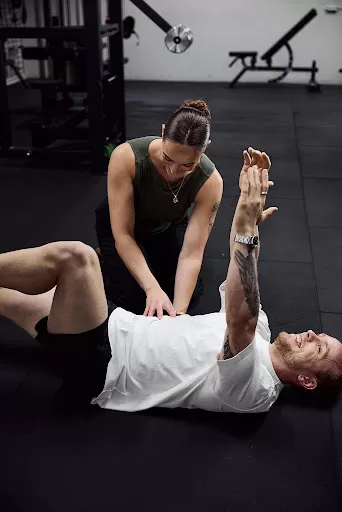
Your osteopath can guide you through a progressive rehabilitation program suited to your stage of recovery.
Your appointment will begin with a detailed discussion about your symptoms, medical history and goals.
Your osteopath may then assess:
Treatment is always explained beforehand, and your comfort and consent remain the priority throughout the appointment.
Pelvic floor symptoms are common—but they are not something you simply have to put up with.
If you're experiencing pelvic pain, persistent lower back or hip pain, postpartum concerns, or bladder symptoms that are affecting your quality of life, an assessment may help identify contributing factors and provide a plan to support your recovery.
At The Osteo Centre, we take a whole-body approach to pelvic health. Rather than focusing solely on the pelvic floor itself, we assess how your spine, hips, breathing, core and movement patterns work together.
Our goal is to reduce pain, improve function and help you return to the activities you enjoy with confidence.
If you're unsure whether osteopathy is right for your symptoms, we're happy to discuss your concerns and help determine the most appropriate pathway for your care.
At The Osteo Centre, we extend our expertise to a diverse range of patients, offering customised care for various needs.


We’ve found a beautiful new home for the clinic just a suburb over — and we can’t wait for you to see it!
Same friendly team, same personalised care, just a brand new space designed to feel warm, welcoming and a little more like home.
Come see our new clinic space — we’d love to welcome you in!